Happiness Is A Conscious Focus

Gratitude and Happiness
Here’s a little secret: happiness isn’t something you stumble upon—happiness is a conscious focus. What you think about, you attract. When you practice gratitude, you’re not just engaging in a feel-good exercise; you’re retraining your brain to see the positive, which has profound effects on both your mental and physical well-being. Gratitude, coupled with a focus on happiness, can reshape your brain chemistry, helping you lead a healthier, more fulfilling life. Let’s explore how.
A Happy Brain Is a Healthy Brain
Practicing gratitude is like giving your brain a daily workout for positivity. When you focus on the things you’re thankful for, your brain releases dopamine and serotonin—the “feel-good” chemicals that enhance your mood and create a sense of well-being. These neurotransmitters act as natural antidepressants, fostering optimism and reducing feelings of stress and anxiety.
Here’s the fascinating part: this isn’t a fleeting effect. With consistent gratitude practices, your brain begins to form new neural pathways that prioritize positive thinking. Essentially, gratitude rewires your brain to default to happiness. Think of it as upgrading your mental software to a more joyful operating system.
The Light Within
Choose the Kind of Light Your heart Needs ~ a journaling prompt,
a breath of gratitude, a word of encouragement, or a small act of kindness.
It’s simple, free, and always here for you.
Feel-Good Hormones in Action
Gratitude is a master key to unlocking those warm, fuzzy feelings we all crave. By expressing thanks, you’re inviting dopamine and serotonin to the party. These neurotransmitters don’t just make you feel good; they improve your overall outlook on life.
While there are other ways to boost these hormones—exercise, chocolate, or a good laugh—gratitude offers a sustainable, long-term solution. Unlike a sugar rush or a fleeting thrill, gratitude creates a foundation for lasting happiness. Each moment of appreciation builds upon the last, cultivating a steady state of contentment.
Studies have shown that gratitude practices like journaling or expressing thanks can rival the effectiveness of some antidepressant medications, often without the side effects. Imagine a treatment plan that’s as simple as noticing and appreciating the good things in your life.
Explore These 10 Gratitude-Inspiring Reads
Gratitude’s Role in Stress Management
If happiness rewires your brain for the better, stress works against it, cluttering your mind with fear and anxiety. When stress strikes, your body releases hormones like adrenaline and cortisol. While these chemicals are lifesavers in emergencies—helping you escape danger—they can wreak havoc when activated by non-threatening stressors like looming deadlines or disagreements with a colleague.
Chronic stress is linked to a host of health problems, including weight gain, sleep disturbances, weakened immunity, and even heart disease. Gratitude steps in as a natural stress buster. By focusing on what’s good in your life, you signal your brain to dial back its stress response. You’re essentially telling your body, “It’s okay; we’ve got this.”
Practicing gratitude encourages your brain to shift from a state of hyper-alertness to one of calm and balance. Over time, this helps reduce your overall cortisol levels, improving your physical health and emotional resilience.
The Ripple Effect of Gratitude
Gratitude doesn’t just stop at brain chemistry—it extends into your relationships, your productivity, and even your ability to cope with life’s challenges. When you focus on the positive aspects of your life, you’re better equipped to face adversity with grace and perseverance.
Take, for example, a difficult day at work. A gratitude mindset might help you appreciate the support of a kind colleague or the satisfaction of completing a challenging task. These small moments of acknowledgment create a ripple effect, transforming your outlook on the entire day.
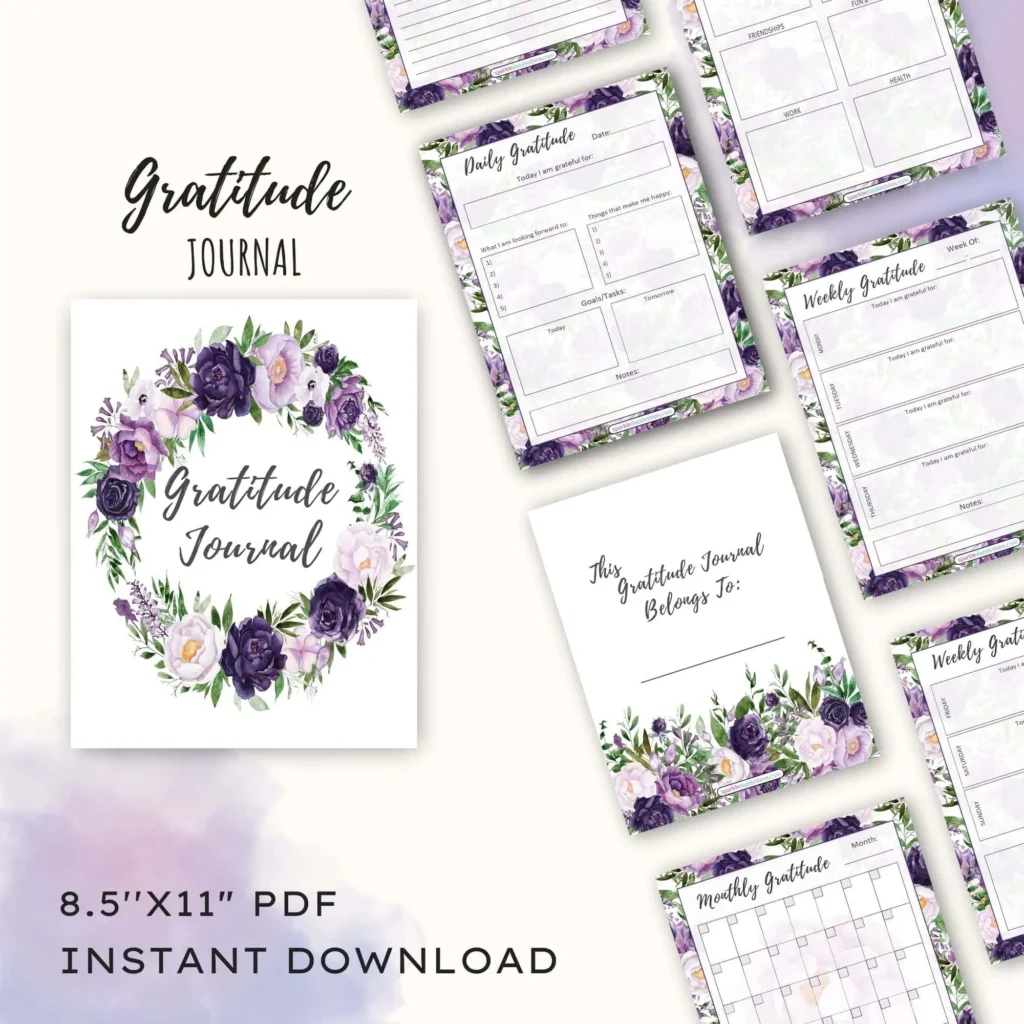
Transform Your Days with Gratitude — Grab Your Free Copy
A timeless journal you can use again and again.
No spam, ever. Just light and inspiration.
Happiness Is a Choice
Here’s the bottom line: happiness isn’t a destination; it’s a choice you make daily. Stop waiting for external factors—a new job, a relationship, or a vacation—to bring you happiness. Instead, recognize that joy is available to you in this very moment.
Gratitude is the tool that makes happiness accessible. It’s not about denying life’s challenges but finding pockets of joy within them. By practicing gratitude, you cultivate the ability to see the silver lining, even in tough times.
How to Cultivate Gratitude and Happiness
If you’re ready to harness the power of gratitude, here are a few strategies to get you started:
- Gratitude Journaling: Write down three things you’re grateful for each day. They can be big or small—what matters is that you acknowledge them.
- Mindful Appreciation: Take a moment to fully appreciate something you often overlook, like a warm cup of coffee or the sound of birds outside your window.
- Express Thanks: Tell someone why you appreciate them. A heartfelt “thank you” can strengthen your connection and brighten their day.
- Reframe Challenges: When faced with a tough situation, ask yourself, “What can I learn from this? What’s one positive takeaway?”
- Daily Reflection: Before bed, reflect on one thing that made you smile that day.
Gratitude and Happiness Go Hand in Hand
The journey to happiness isn’t a solo endeavor—it’s a partnership between gratitude and your conscious focus. By choosing to see the good, you’re empowering yourself to live a more joyful, resilient, and fulfilled life.
So, why wait? Start practicing gratitude today and unlock the happiness that’s been within you all along. Your mind, body, and soul will thank you.
Pin & Share