Forgiveness Meets Gratitude

The Keys to Emotional Freedom
Forgiveness meets gratitude has the power to transform your emotional and physical well-being, offering you the freedom to release pain and welcome happiness. Forgiveness isn’t just a gift for others—it’s a profound gift you give to yourself. When paired with gratitude, it becomes an extraordinary act of self-care, capable of elevating your life in ways you never imagined.
Why letting Go of Grudges Starts with Gratitude
Think about the last time someone wronged you. Maybe it was a harsh comment, a broken promise, or an act of betrayal. Holding onto anger likely felt like carrying a heavy emotional weight, one that drained your energy and clouded your mind. But did you notice how this emotional burden also affected your body?
Research shows that holding onto grudges can lead to increased stress, higher blood pressure, and even weakened immunity. Your mind and body are interconnected, and emotional pain often manifests physically. Imagine the toll this takes over time—restless nights, heightened anxiety, and even the occasional unhealthy indulgence as a coping mechanism.
Here’s the kicker: the person who wronged you may not even be aware of the pain they’ve caused. They’ve moved on, but you’re left carrying the burden. This is why forgiveness is essential—it allows you to release the weight, not for their benefit, but for yours.
The Light Within
Choose the Kind of Light Your heart Needs ~ a journaling prompt,
a breath of gratitude, a word of encouragement, or a small act of kindness.
It’s simple, free, and always here for you.
Embracing Forgiveness to Welcome Gratitude
Forgiveness is often misunderstood as excusing bad behavior or forgetting the hurtful act. In reality, it’s about releasing the hold that pain has over you. It’s a choice to prioritize your peace and well-being over anger and resentment.
What makes forgiveness even more powerful is its connection to gratitude. When you choose to forgive, you’re not just letting go of the negative; you’re also making space for the positive. Gratitude helps you see the lessons and silver linings in every experience, even the painful ones. It shifts your perspective from “Why did this happen to me?” to “What can I learn from this?”
This mindset doesn’t just help you heal; it strengthens your resilience. By pairing forgiveness with gratitude, you cultivate a sense of control and optimism that empowers you to move forward.
Explore These 10 Gratitude-Inspiring Reads
The Surprising Science of Forgiveness and Gratitude
Scientific studies have revealed the profound benefits of forgiveness and gratitude on mental and physical health. Forgiveness reduces stress hormones like cortisol, while gratitude increases the production of feel-good chemicals like serotonin and dopamine. Together, they create a harmonious balance that promotes emotional stability and overall well-being.
When you let go of resentment and embrace gratitude, your heart benefits too. Lower blood pressure, improved cardiovascular health, and better sleep are just some of the physical rewards. This isn’t just about feeling better emotionally—it’s about thriving physically.
The Bridge to Forgiveness
If forgiveness feels difficult, start with gratitude. Acknowledging the good in your life can soften the sting of past hurts and make it easier to let go. For example, when reflecting on a painful experience, you might find gratitude for the strength it gave you or the lessons it taught.
Gratitude doesn’t minimize the hurt, but it helps reframe it. By focusing on what you’ve gained rather than what you’ve lost, you create a foundation of positivity that supports the act of forgiving.
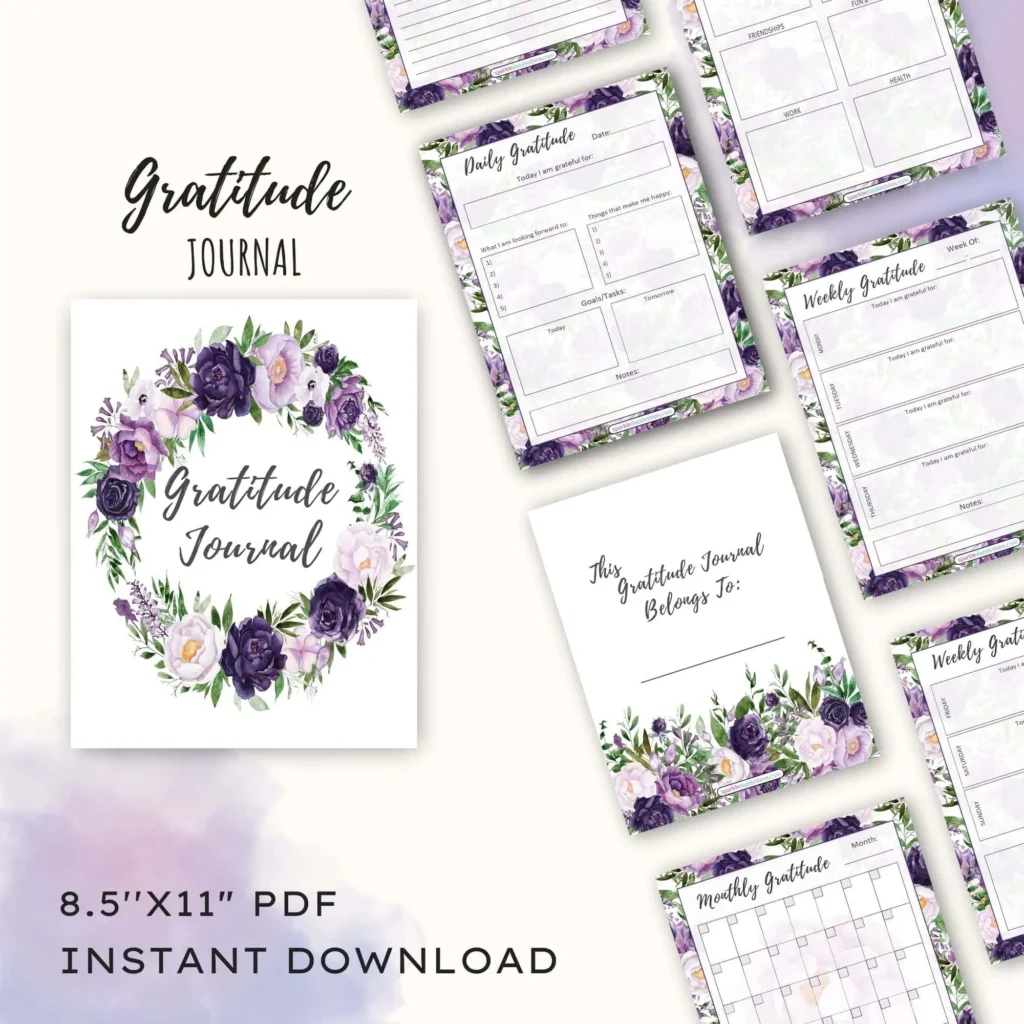
Transform Your Days with Gratitude — Grab Your Free Copy
A timeless journal you can use again and again.
No spam, ever. Just light and inspiration.
Cultivate Forgiveness Through Gratitude
Making forgiveness a daily practice is easier when you anchor it in gratitude. Here are some actionable steps to get started:
- Reflect with Gratitude: Each evening, think of one challenging situation you faced that day. Identify something positive that came from it, whether it’s a lesson learned or a moment of growth.
- Write a Forgiveness Letter: Even if you never send it, writing to someone who hurt you can be therapeutic. End the letter with a note of gratitude, acknowledging what you’ve learned from the experience.
- Practice Self-Compassion: Forgiveness isn’t just for others—it’s for yourself too. Be grateful for your efforts to heal and grow, even if progress feels slow.
- Focus on the Present: Let go of “what could have been” and embrace “what is.” Gratitude for the present moment helps release the hold of past grievances.
The Freedom of Letting Go
Forgiveness is not about erasing the past—it’s about reclaiming your present and future. When paired with gratitude, it becomes a powerful tool for emotional and physical healing. By forgiving others, you free yourself from the chains of resentment. By embracing gratitude, you fill that newfound freedom with positivity and joy.
Remember, forgiveness isn’t just about the person who wronged you. It’s about your journey toward happiness, health, and peace. And gratitude is the light that guides you on that path. So take the first step, and let forgiveness and gratitude transform your life.
Pin & Save