Shifting From Negativity to Gratitude

Negativity to Gratitude
Shifting from negativity to gratitude is a powerful way to transform your mindset, especially during challenging times. But what if you’re stuck in negativity? It can be tough to pull yourself out of a spiral of negative thinking, especially if you’re struggling with feelings of anxiety or depression. While seeking help from a therapist is always a smart choice, even small steps toward focusing on gratitude can help you regain a sense of balance and positivity in your
Understanding Negative Thinking Patterns
Sometimes, it feels like you’re stuck in a never-ending loop of negative thoughts. This cycle can be exhausting and overwhelming, making it difficult to focus on anything positive. But the good news is, just by being aware of these patterns, you can start to shift your mindset. Acknowledging your feelings is the first step to reclaiming your emotional well-being.
It’s important to understand that negative thinking is often a habit, one that we may not even realize we’re engaging in. The brain tends to default to negativity because it’s a way of protecting itself. But gratitude helps rewire the brain, shifting its focus from what’s wrong to what’s going right.
The Light Within
Choose the Kind of Light Your heart Needs ~ a journaling prompt,
a breath of gratitude, a word of encouragement, or a small act of kindness.
It’s simple, free, and always here for you.
The Science Behind Gratitude’s Impact on the Brain
Gratitude isn’t just a feel-good habit—it actually changes your brain! Studies show that when you focus on gratitude, you light up areas of your brain linked to happiness and well-being, while dialing down the parts associated with stress. And the best part? This shift in mindset doesn’t just boost your mood, it can also help you sleep better and lower your blood pressure. Gratitude is more than a mental boost; it’s a wellness powerhouse!
The more you practice gratitude, the stronger the connections between the brain’s emotional centers become. You’re literally changing your brain’s default setting, allowing you to see the good in situations that once felt overwhelming. It’s like training your brain to focus on the positives, creating an environment for joy and peace to flourish.
Turning Negativity Into Motivation
So, what do you do when you’re trapped in negativity? Start by identifying your feelings. When you’re feeling stuck, take a deep breath and ask yourself, “What exactly am I feeling?” Is it anger, frustration, disappointment, or something else? By naming your emotions, you take the first step toward breaking the cycle.
Once you understand your feelings, take time to dig deeper. Often, the root cause of your negativity lies beneath the surface. Perhaps you’re angry at your spouse for a situation, but deep down, there may be underlying fears or unspoken expectations. Once you discover the true source of your frustration, you can begin to work through it and start moving forward.
Explore These 10 Gratitude-Inspiring Reads
The Role of Forgiveness in Gratitude
Another powerful tool in shifting from negativity to gratitude is forgiveness. Forgiving yourself and others frees you from the heavy emotional burdens that contribute to negativity. When you hold onto anger or resentment, you’re not just hurting the other person—you’re hurting yourself. By choosing forgiveness, you allow yourself to heal and create space for positive feelings to enter.
Forgiveness doesn’t mean forgetting or condoning hurtful actions; it simply means releasing the power that negativity has over you. Letting go of grudges creates room for gratitude, and as you practice gratitude, you will begin to feel lighter, more at peace, and better able to appreciate the beauty in life, even in the midst of hardship.
Practical Ways to Incorporate Gratitude Into Your Life
Now, let’s talk about how to practice gratitude on a daily basis. Here are a few strategies that can help you build a habit of gratitude and start turning your mindset around:
- Keep a Gratitude Journal: Write down three things you are thankful for every day. This simple practice helps shift your focus toward the positives in your life.
- Express Gratitude to Others: Take time to express thanks to the people who have made a positive impact on your life. A handwritten note or a simple “thank you” can make a big difference.
- Mindful Gratitude: When you’re feeling overwhelmed, take a moment to breathe deeply and focus on the present. Reflect on what you appreciate about your surroundings, your day, or even yourself.
- Gratitude Walks: Take a walk outside and mentally list the things you’re grateful for. The combination of fresh air, movement, and mindfulness can help boost your mood and reset your mindset.
- Celebrate Small Wins: No matter how small, take time to acknowledge and appreciate your successes, whether they’re personal, professional, or even just getting through the day.
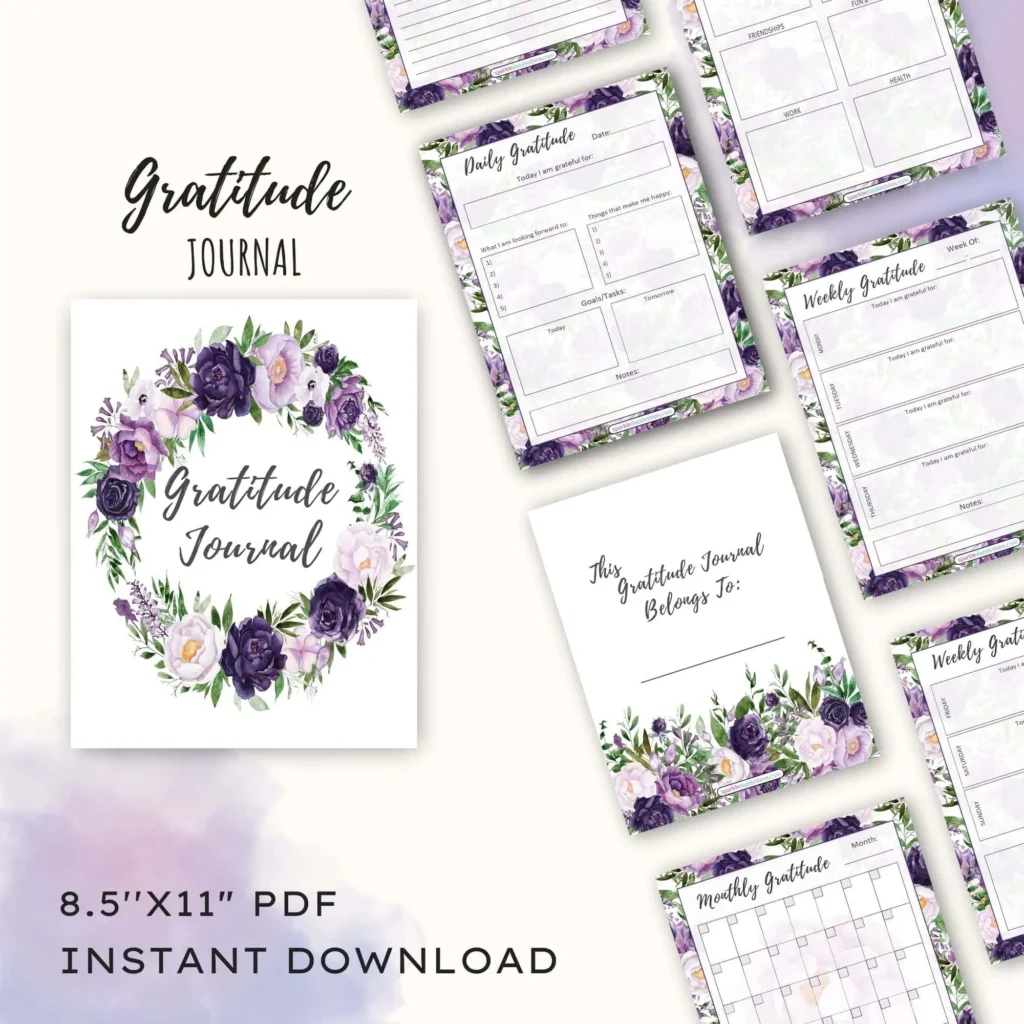
Transform Your Days with Gratitude — Grab Your Free Copy
A timeless journal you can use again and again.
No spam, ever. Just light and inspiration.
Surround Yourself with Positivity
Gratitude also means surrounding yourself with positive influences. This can mean spending time with people who uplift you, engaging in activities that bring you joy, and removing negative triggers from your environment. Sometimes, it’s as simple as taking a break from social media or watching something uplifting to reset your emotional state.
One helpful practice is to turn to nature. A walk in the park, spending time in your garden, or just stepping outside for a few minutes of fresh air can remind you of the beauty in the world. By tuning into the natural world around you, you reconnect with your sense of wonder and appreciation.
Create a Gratitude Ritual
Incorporating gratitude into your routine doesn’t have to be a big task. It can be as simple as making it a part of your morning or evening ritual. Whether it’s reflecting on the things you’re thankful for while sipping your morning coffee or journaling before bed, make gratitude a natural part of your day.
By turning gratitude into a habit, you start to train your brain to see the positive, even when things aren’t going your way. This makes it easier to bounce back from adversity, as you are constantly reinforcing your ability to find peace and joy in any situation.
Shifting from Negativity to Gratitude
Shifting from negativity to gratitude isn’t a one-time fix; it’s a lifelong practice. It takes consistency, self-awareness, and a commitment to seeing the positives in life—even in the midst of challenges. With patience, you’ll find that gratitude has the power to change not just how you feel, but how you experience the world around you.
Remember, the key is not to wait for happiness to come to you—it’s to choose it every day. Start small, be consistent, and watch how gratitude transforms your life. You have the power to change your mindset and, in doing so, change your life.
pIN & sHARE